

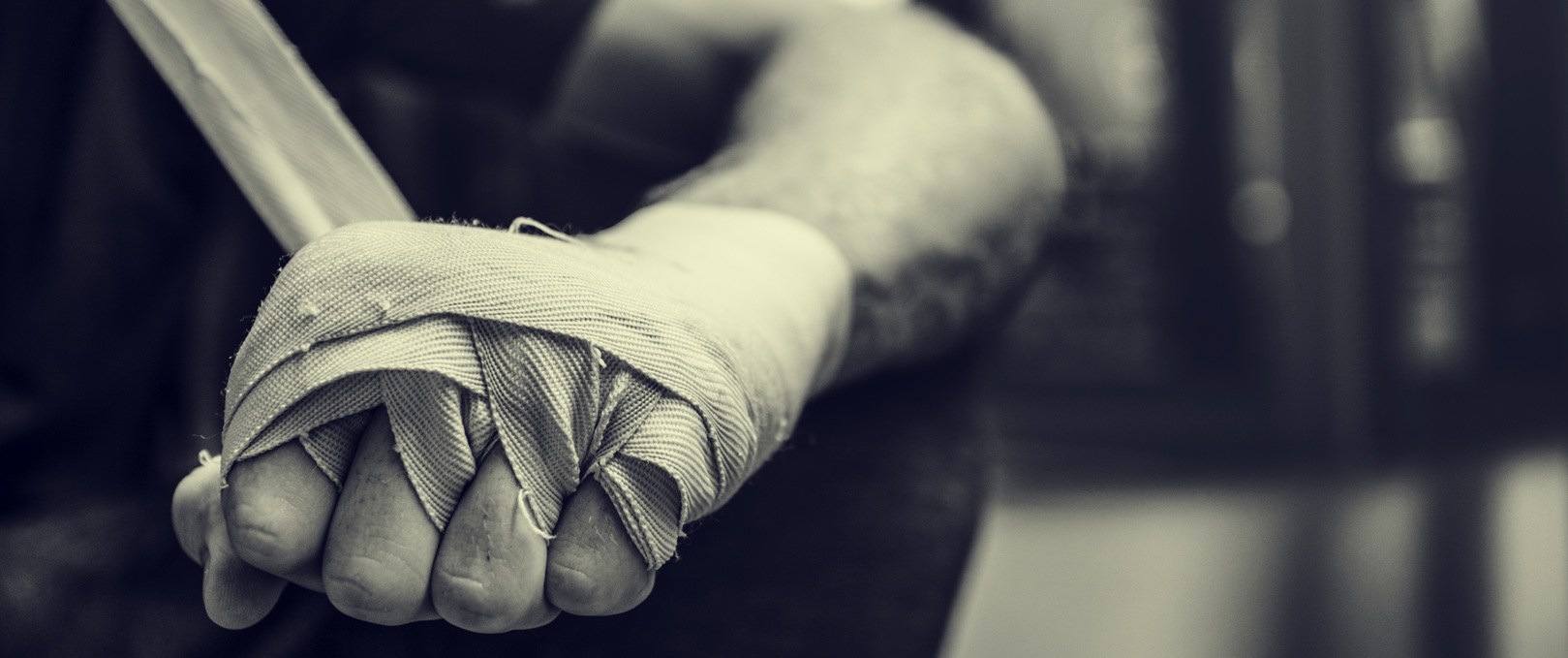
Over the past decade, Jordan has become a country where martial arts occupy a prominent place in society. Once upon a time, such activities were associated only with military training or elite sports clubs. Today, they are enjoyed by schoolchildren, students, women, and men of all ages. Clubs are opening in large cities and small towns, and the names of Jordanian fighters are increasingly heard at international tournaments.
The reasons for this phenomenon are varied. They include historical traditions, an interest in healthy lifestyles, state support, and young people’s desire for self-fulfillment. Together, they have created conditions in which martial arts have become part of the national identity.
From ancient warriors to modern halls
The region where Jordan is located has been the scene of military campaigns and trade routes for centuries. Local tribes valued military prowess and hand-to-hand combat skills. Training to be a fighter was considered part of a man’s education and citizenship. Traditions were passed down from generation to generation, becoming ingrained in the cultural memory.
The emergence of modern styles
In the 20th century, Japanese and Korean sports began to spread actively in Jordan. Military exchanges and cultural programs brought karate, taekwondo, and judo to the country. Initially, they developed with the participation of foreign instructors, but then local coaches and methods emerged.
These styles quickly spread beyond military academies and became accessible to a wide range of people.
The role of the state and sports organizations
The Jordanian authorities have long recognized the benefits of martial arts for society. These sports promote good health, discipline, and create a strong foundation for the upbringing of young people. Therefore, the country has programs aimed at promoting martial arts.
Government initiatives include the creation of specialized centers, support for national teams, and funding for international travel. Young talents are awarded scholarships, and martial arts are included in school physical education courses.
In addition to the state, sports associations are doing a tremendous job. Jordan has federations for taekwondo, judo, and other sports. They coordinate tournaments, help train referees and coaches, and organize training courses. This system makes the movement more sustainable and open.
National champions
Perhaps the most famous achievement was Ahmad Abu Kaish’s Olympic gold medal in 2016. This victory became a symbol for the entire country and showed that Jordanian athletes can compete at the highest level.
This was followed by further successes: silver medals for Saleh Al Sharabati and Zaid Karim.
Fitness and mass sports
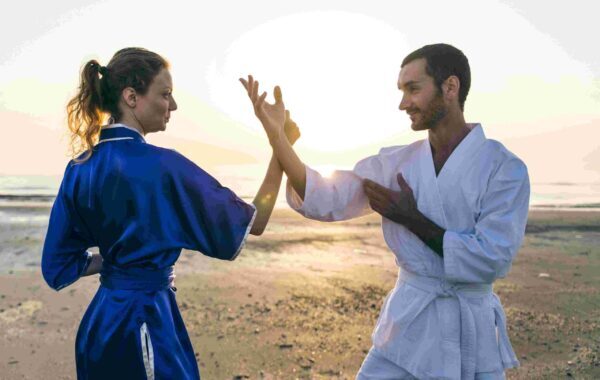
Martial arts in Jordan have long gone beyond the realm of professional sports. For thousands of people, they have become a way to improve their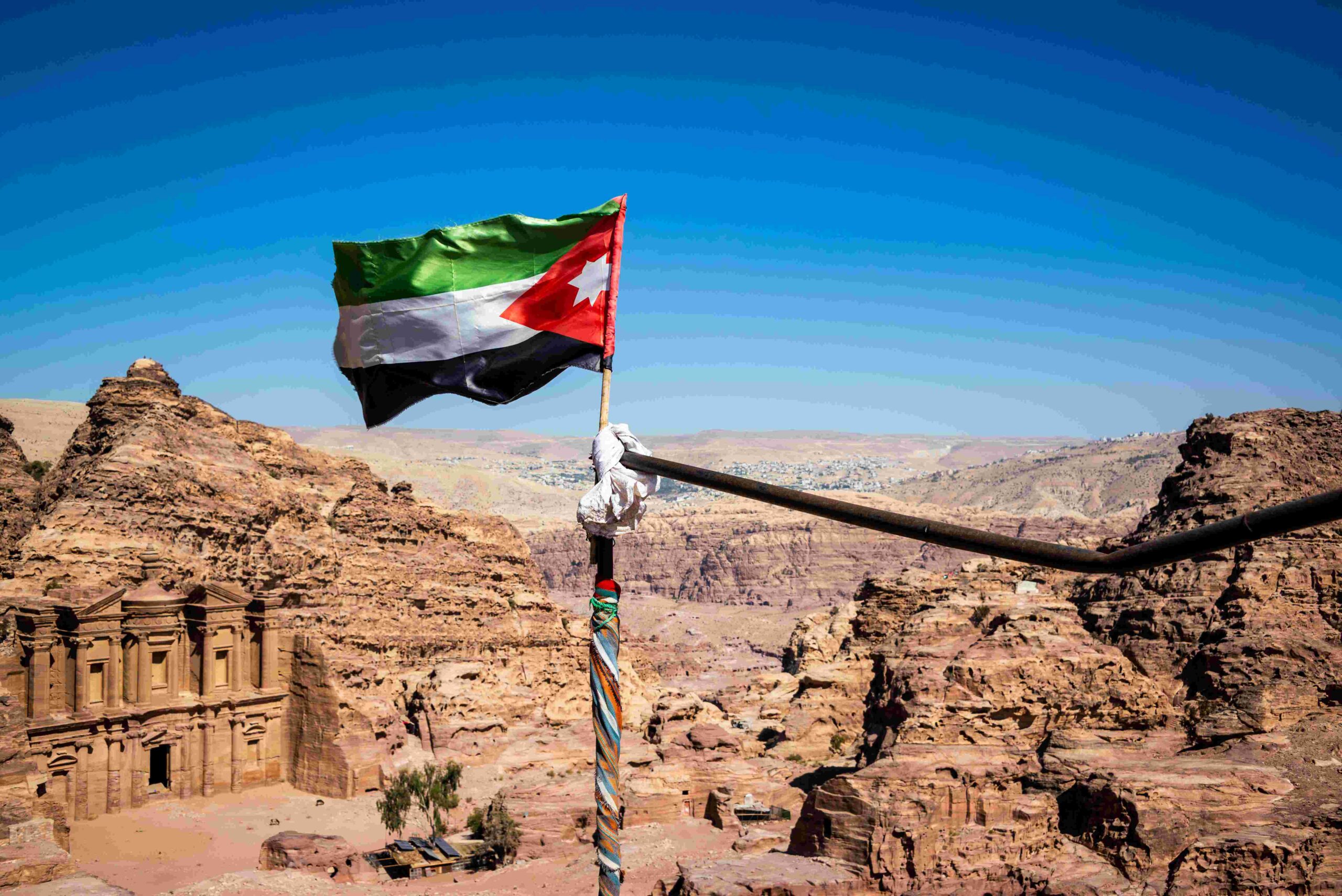 health and stay in shape. Training includes cardio, bodyweight exercises, flexibility, and concentration. This combination produces tangible results and attracts those looking for an alternative to standard gym workouts. Importantly, clubs are open to children, teenagers, and adults, making the sport truly accessible to everyone.
A big focus is on working with children and teenagers. School physical education classes include elements of martial arts. Many educational institutions have clubs and sections where children can learn basic skills and participate in competitions.
Youth clubs offer additional classes, and municipal centers open training grounds. All this helps to involve teenagers in sports and shape new generations of champions.
Martial arts have become part of the country’s popular culture. Films, television programs, and theater productions address this topic. Coaches conduct self-defense seminars for various social groups.
The growing number of tournaments, active media coverage, and sports tourism make Jordan an attractive center for combat disciplines. Hosting the 2024 World Youth Wrestling Championships was an important event that strengthened the country’s position on the international stage.
Women in martial arts
The topic of women’s participation deserves special attention. Over the past twenty years, the number of girls in clubs has grown exponentially. Specialized gyms are opening across the country, where training is tailored to the interests and goals of women.
The story of Shadia Bseiso, who achieved success in jiu-jitsu and moved on to professional wrestling, has become a source of inspiration. And Yara Kakesh made history as the first Jordanian woman to win a medal at the Asian Games in jiu-jitsu. These examples show that women are increasingly involved in shaping the country’s sporting future.
A variety of styles and choices for everyone
Today, Jordanian clubs offer dozens of different sports. Karate, taekwondo, and judo remain the most popular. More and more young people are taking up jiu-jitsu and MMA.
Each discipline offers its own advantages:
- Karate focuses on striking techniques and character building
- Judo develops control and the ability to use your opponent’s energy
- Taekwondo emphasizes speed, flexibility, and precision of movement
- Jiu-jitsu builds confidence in ground fighting and wrestling
- MMA combines different techniques for a universal approach
This variety makes it possible to choose a sport in line with personal goals: sporting victories, self-defense, health, or developing discipline.
Development of mixed martial arts
MMA is also actively developing in Jordan. Desert Force tournaments have become an important part of the Middle Eastern sporting calendar. It is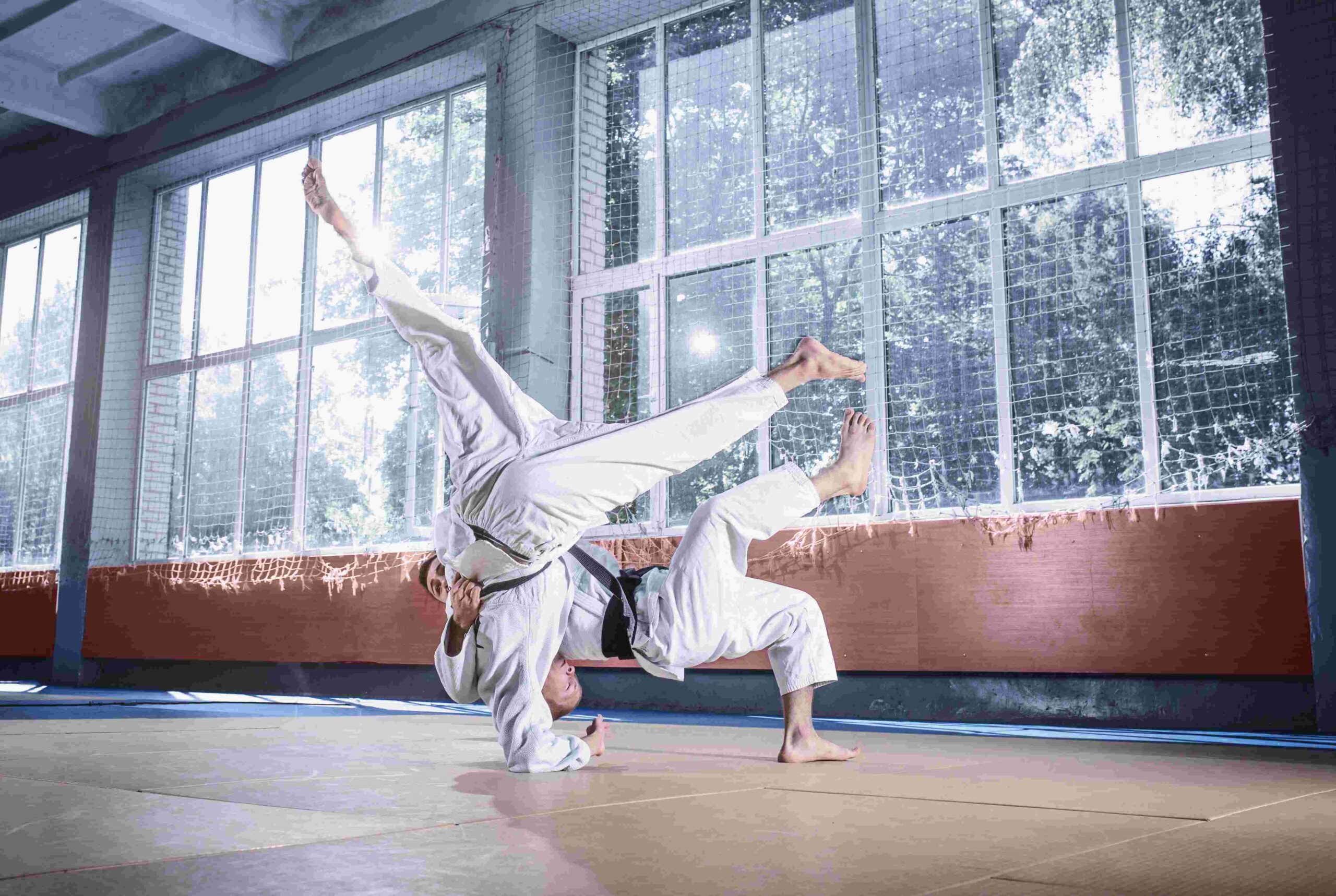 from here that fighters who have made their way into the UFC and PFL have emerged. Ali Al Qaisi and Jarrah Al Silawi have proven that the country is capable of producing world-class professionals.
The future of martial arts in Jordan
The outlook is promising. Strong government support, the growing number of gyms and clubs, the enthusiasm of young people, and the participation of women form a solid foundation. Success at the Olympics and in world leagues inspires a new generation. Martial arts have become an integral part of the national culture. They embody the values of courage, self-control, and respect.
The history of martial arts in Jordan shows that sport has the power to unite society. It is rooted in ancient traditions and at the same time responds to the demands of modern life. From the martial practices of the past to the Olympic victories of the present, the journey has been long and eventful.
Today, martial arts are part of the lives of millions of Jordanians, a tool for educating young people, a source of national pride, and a factor in international recognition. Their importance will only grow, shaping the image of the country as a strong and respected player on the world sports stage.