


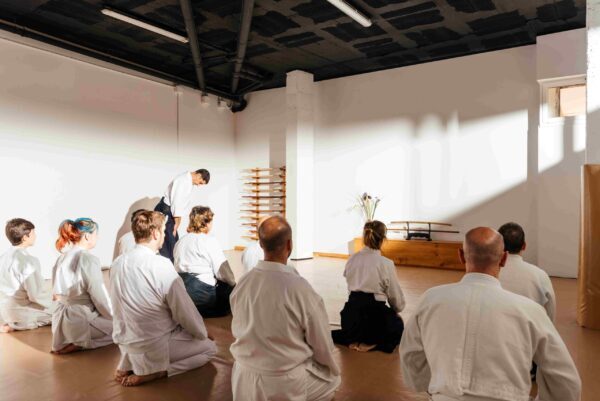
Budo has always been more than just a fighting technique. It originated in the military traditions of Japan, but today it is perceived as a whole philosophy. For many masters, it is a path where constant training and inner values shape a way of life.
This article will discuss how the ideas of budo have transformed into a new understanding and how they influence culture and people.
Budo as a multi-layered phenomenon
Budo is not limited to Japanese schools. It has become a general term that encompasses Chinese wushu, Korean mudo, and other practices. All of them are based on the same logic: improvement through discipline and respect.
Interestingly, even Muay Thai, known as one of the toughest sports, is primarily understood in Thailand as a way to build character. This is an example of how different traditions converge toward the same goal of improving the human being.
Kanō Jigorō and the educational revolution
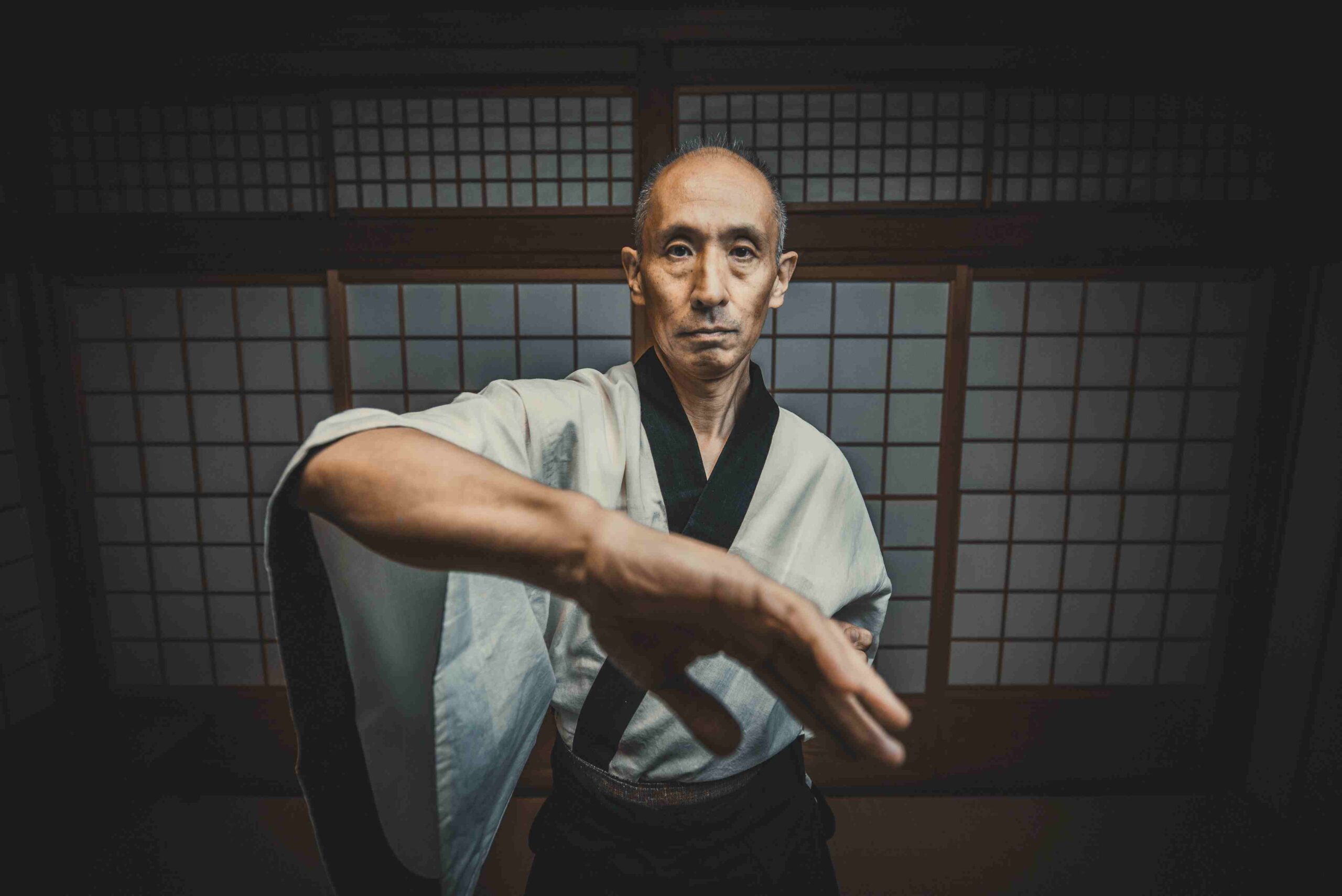 Kanō Jigorō had an influence on the development of budō that cannot be overestimated. It was he who turned martial arts into an educational system. His judo became a school where training is built for the sake of common growth.
The principle of jita kei, meaning “mutual benefit through cooperation,” defined the nature of the practice. Students learn together, improve together, and shape each other. This greatly distinguished judo from the old military techniques.
An important step was the inclusion of judo in the Olympic program. Thanks to this, the style entered the world arena and became a symbol of Japanese culture. At the same time, judo retained its educational function. Training fostered respect, humility, and the ability to control emotions.
Kano’s ideas proved to be universal. Today, they are used in schools, universities, and even in human resource management programs.
Shinbudo and new directions
Modern forms of budo, known as shinbudo, offer a wide range of choices.
- Kendo and iaido have retained their connection to the samurai heritage.
- Aikido, as practiced by Morihei Ueshiba, became a path to harmony and inner peace.
- Other schools of aikido retained the practical elements for self-defense.
- Korean and Vietnamese styles adopted the belt and rank system.
This diversity shows that budo is capable of change while remaining a unified cultural phenomenon.
Bruce Lee and the rejection of limitations
Bruce Lee became a figure who changed the very logic of how martial arts were perceived. His Jeet Kune Do style rejected strict frameworks. He spoke of simplicity, efficiency, and freedom. For him, training was a search for the truth about himself.
Lee proposed a sequence of steps: from awareness of the truth to experiencing it and returning to the source. This path resembled Buddhist practice. He showed that Budo can be seen as an individual path.
Karate and philosophical ramifications
Karate is a whole world. It appeared on Ryukyu under the influence of Chinese practices. Gichin Funakoshi turned it into karate-do, a path of constant development. In his system, courtesy, ethics, and spiritual improvement were of great importance.
Later, Masutatsu Oyama created Kyokushin. His philosophy was different: rigorous training, contact fighting, and asceticism. Zen meditation played an important role, and truth was achieved through effort and self-discipline.
Today, there are dozens of different styles of karate. Some focus on athletic achievement, while others seek spiritual meaning. That is why we see such a rich variety of philosophies in karate, from Confucian values to Zen Buddhism.
Budo and education
Budo has proven to be surprisingly useful for the education system. In schools and universities, it has become part of the curriculum, where children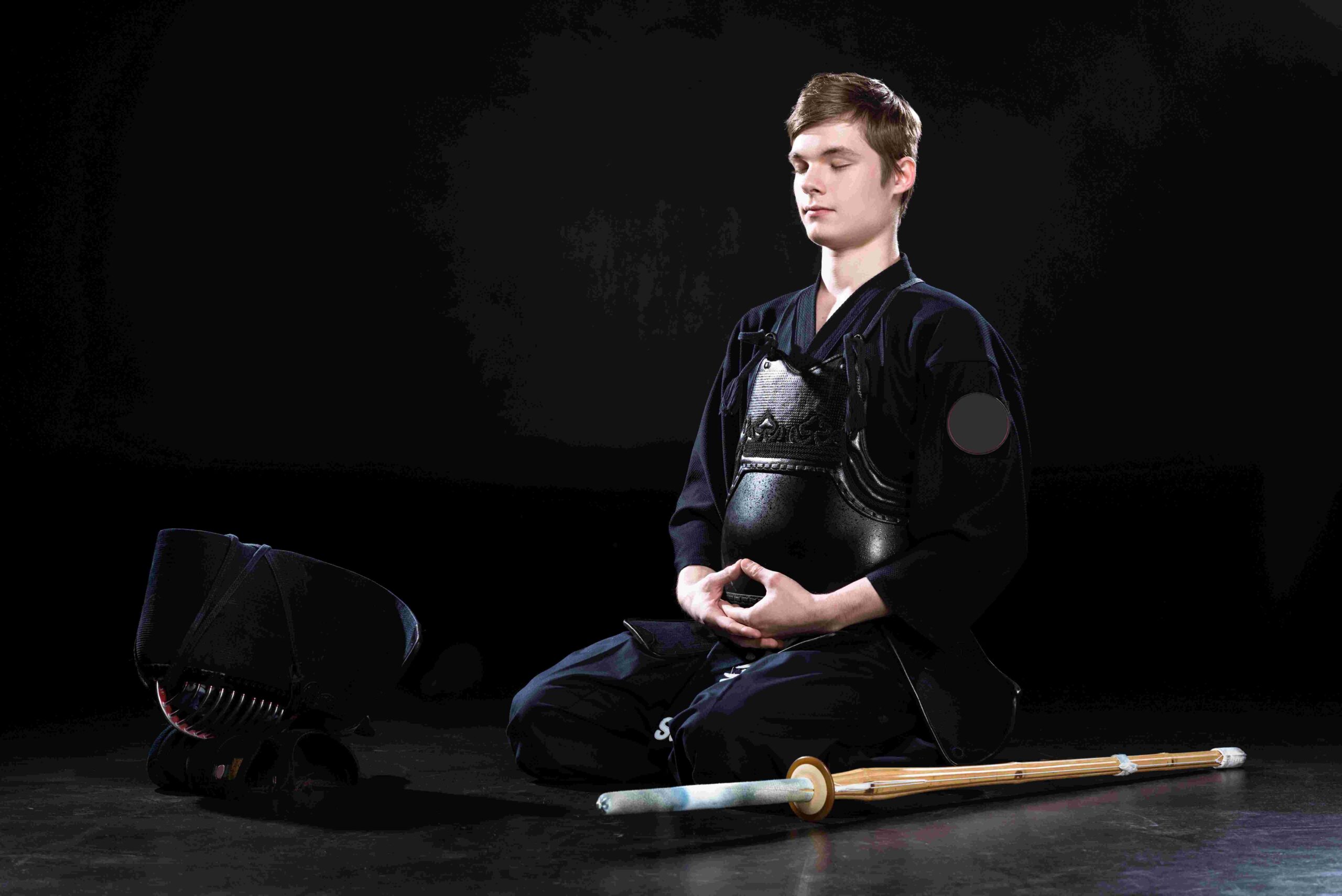 are taught discipline and respect. Through training, teenagers gain confidence and resilience in the face of adversity.
Educators note that the values of judo or karate help to shape responsible citizens. In this sense, budo goes far beyond sport.
Budo has also become part of popular culture. Films and books about masters inspire millions of people. In the West, martial arts are often perceived as a source of harmony, where body and spirit are united as one. This proves that Budo can influence society even through popular art forms.
The main value of Budo is that it turns training into a way of self-discovery. In philosophy, this is called homocreativity, the ability of a person to create themselves through their own efforts.
Interaction in the dojo turns into a dialogue. There are no rivals here, only partners on the same path.
Conclusion
Budo has evolved from a martial art to a philosophy of life. Kanō Jigorō created an educational model, Bruce Lee demonstrated the value of freedom, and Funakoshi and Oyama offered different interpretations of karate. All these examples show that Budo is a path that helps people combine discipline, respect, and spiritual quests.